
Box shipping faces warehouse revolution
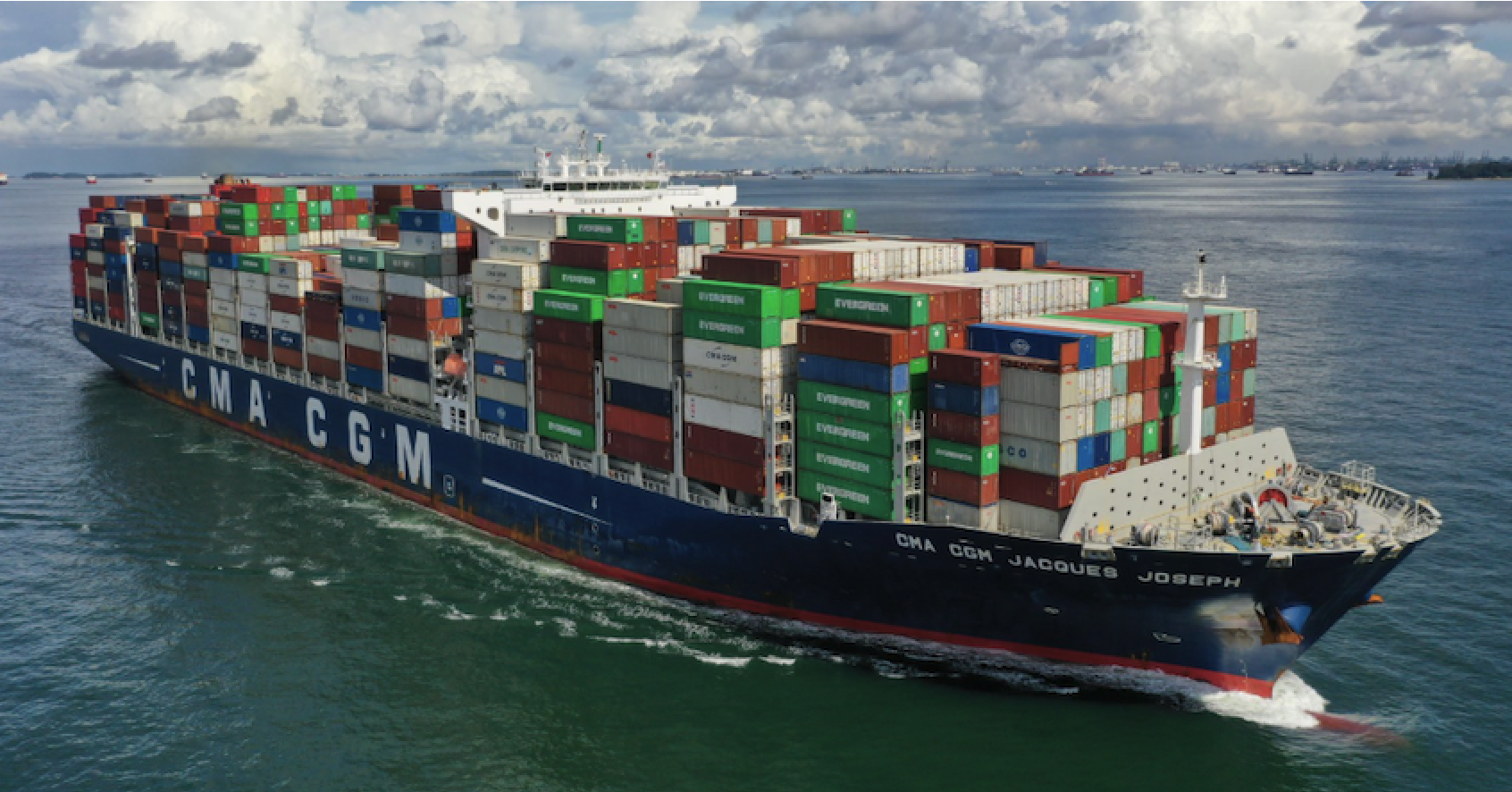
Global container shipping is undergoing a historic transformation in 2026, with fleet expansion alone no longer sufficient to secure profitability, reported Dubai's Xpert.digital.
Industry leader MSC has surged to more than 7.33 million TEU, holding 21.5 per cent of global capacity, widening its lead over Denmark's Maersk at 4.72 million TEU. Together with CMA CGM, the three largest carriers now control nearly 48 per cent of worldwide container capacity, creating an oligopoly that squeezes smaller rivals.
Yet structural overcapacity is eroding freight rates.
In 2025, an average of 180,000 TEU of new ships were delivered monthly, while only 6,000 TEU were scrapped.
With demand growth lagging behind supply, spot prices on key east-west routes have fallen by more than half, forcing carriers to prioritise profitable utilisation over sheer size.Alliances such as the Gemini Cooperation between Maersk and Hapag-Lloyd highlight a shift toward reliability. Gemini achieved schedule punctuality above 90 per cent in 2026, far exceeding the global average of 62.4 per cent, offering shippers reduced costs and greater stability.
Meanwhile, mega-ships are overwhelming traditional ports. Vessels exceeding 20,000 TEU strain quay and hinterland capacity, prompting calls in Europe to freeze ship sizes at current standards.
The solution lies in vertical logistics: automated high-bay container warehouses. Boxbay's pilot facility at Jebel Ali proved the concept, storing three times more containers on the same footprint and cutting space needs by 70 per cent. A new GBP91.7 million (US$122.37 million)installation at London Gateway will stack up to 16 levels, handle 200 moves per hour, and eliminate costly re-sorting.
Vertical storage hubs are also spreading inland. Vietnam is investing more than US$175 million in Bac Ninh province to build integrated container depots with solar power and electric truck infrastructure, easing congestion at seaports.
Analysts warn that throughput capacity, not fleet size, will define competitiveness. With geopolitical crises such as the Red Sea disruption and stricter EU emissions rules adding pressure, carriers investing in vertical storage and alternative propulsion systems are positioning themselves for survival in a market where space has become the scarcest commodity.
Source : Asian Shipper News - Air and Sea