
Maersk to buy 1,000 Made-in-India cargo containers
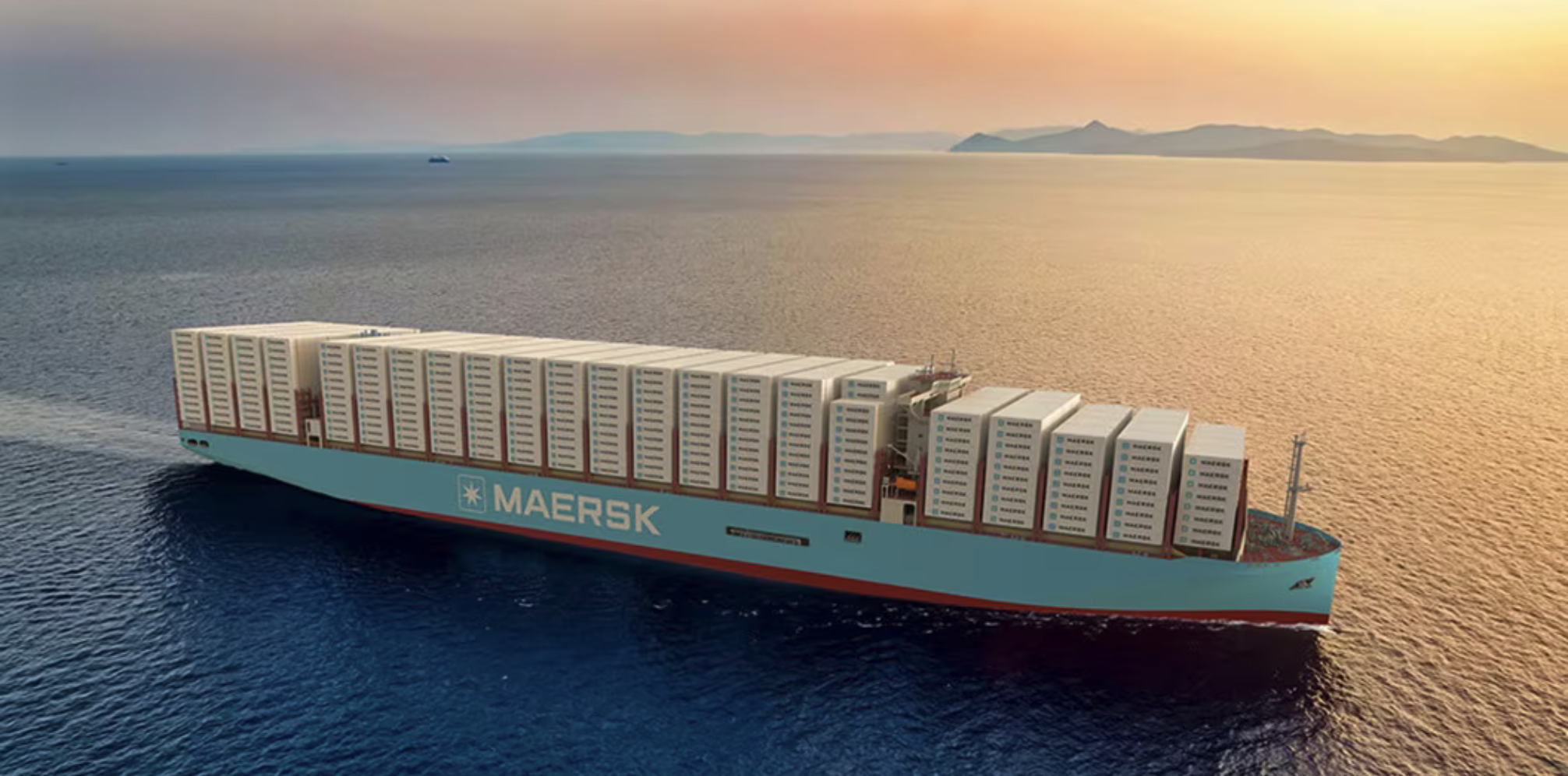
In a major step forward for India’s maritime ambitions, global integrated logistics giant A.P. Moller – Maersk is set to place a commercial order for 1,000 steel cargo containers with DCM Shriram International Ltd (DSIL).The strategic order serves as a major vote of confidence for India’s push to break China’s absolute monopoly over the global shipping container manufacturing sector.
Components like multi-layer PCBs, the physical boxes used to transport these goods globally have historically remained a critical vulnerability:
Chinese manufacturers currently command an astonishing 97% of the global cargo container production market.
Before locking down the order with DCM Shriram, Maersk’s technical teams from Denmark, alongside independent third-party inspectors, spent months executing rigorous facility audits across 12 short-listed Indian manufacturers to ensure the localized builds match global marine transit safety standards.
The official announcement and public unveiling of the collaboration are slated to take place at Star Track Terminals’ Inland Container Depot (ICD) in Dadri, Uttar Pradesh, an event expected to be attended by Union Minister for Ports, Shipping and Waterways Sarbananda Sonowal. The milestone will witness the formal flagging off of the first two prototype containers built at DCM Shriram’s Faridabad plant
Despite Maersk’s landmark order, industry experts emphasize that building a self-sustaining, indigenous maritime hardware ecosystem will be a steep, long-term journey:
The Price Premium Containers manufactured in India are currently 30% to 40% costlier than Chinese alternatives, driven by higher localized steel costs and a lack of manufacturing scale. The Ministry of Ports, Shipping and Waterways has circulated a ₹10,000 crore container manufacturing draft policy for final Cabinet approval. The physical price gap between a Chinese-built container and an Indian-built variant spans roughly $1,000 per box. The central scheme aims to offer a Production Linked Incentive (PLI) of $400 to $500 per box for greenfield projects maintaining a threshold capacity of 100,000 units.
Core factories are clustered across Haryana, Rajasthan, and Gujarat, where industrial land acquisition costs can reach a steep ₹7 crore per acre. Maritime states like Gujarat are preparing standalone top-up packages, offering heavily subsidized long-term land leases and complementary equipment capital grants.
Maersk’s decision to back an Indian container pipeline arrives right as the carrier heavily expands its trade footprint within the subcontinent. The company recently launched its FI2 ocean service, a dedicated weekly maritime route linking manufacturing hubs across Northern and Western India directly to Southern China.
By calling at Gujarat’s Pipavav Port—which seamlessly integrates with India’s high-speed Dedicated Freight Corridor (DFC) rail network—Maersk is creating an end-to-end logistics corridor. Introducing localized, “Made-in-India” cargo boxes directly into this high-frequency loop ensures that local exporters can cushion their supply chains from sudden container shortages while helping the country retain billions in foreign exchange reserves over the coming decad
Author: rohan Economics source: voicelapaas This article has been edited