
US Navy Finally Seeking To Dispose Of USS Long Beach, The World’s First Nuclear-Powered Cruiser
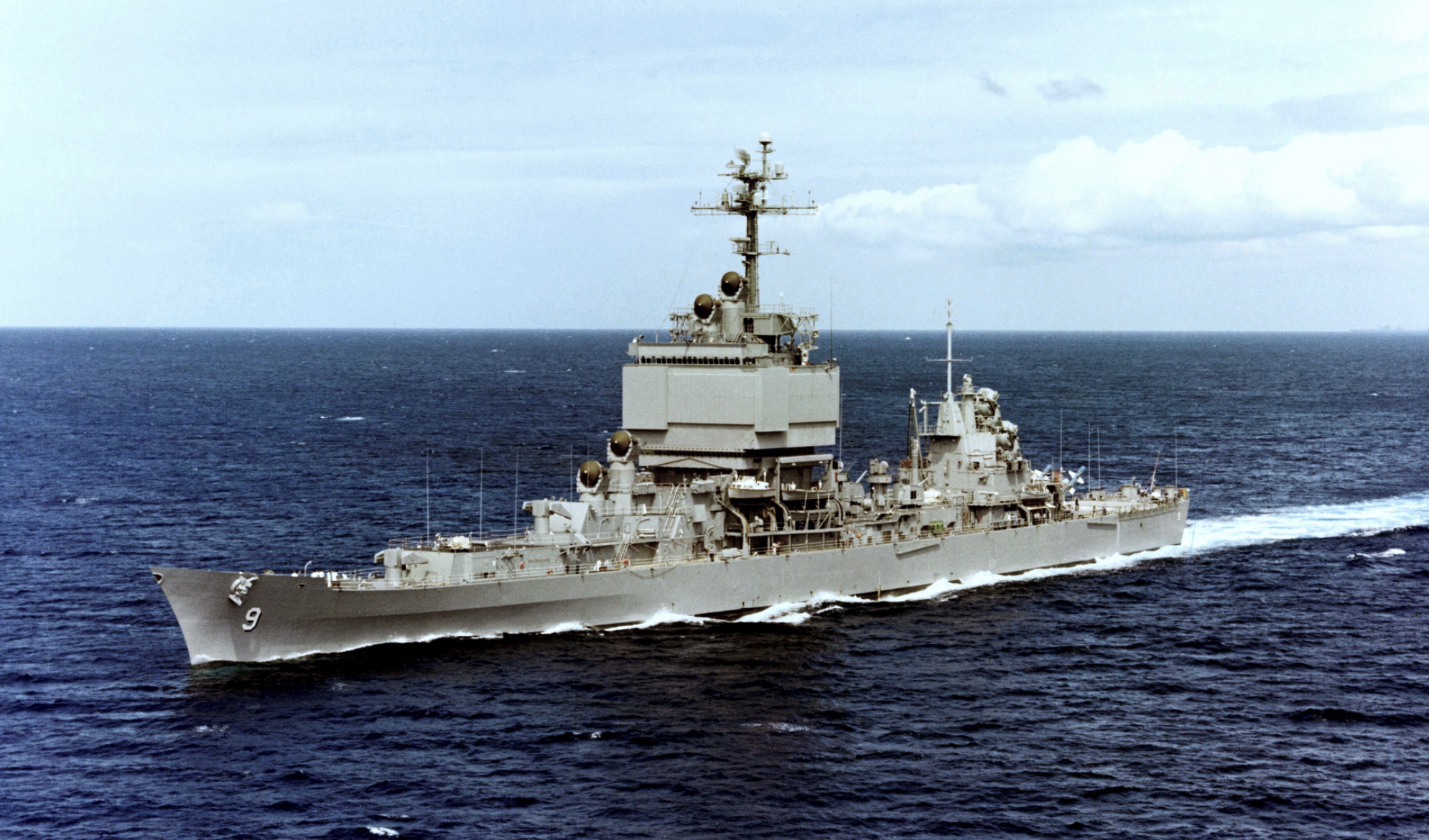
Tearing apart a nuclear-powered warship is a whole lot more costly and time-consuming than a conventionally powered one.
More than three decades after decommissioning the USS LONG BEACH, the Navy is finally preparing to dispose of what’s left of the world’s first nuclear-powered surface combatant. The cruiser – which already had its distinctive boxy superstructure as well as its bow and stern sections removed – has been moored at Puget Sound Naval Shipyard and Intermediate Maintenance Facility since being decommissioned in 1995.
After a long process to determine what to do with LONG BEACH, the Navy on Wednesday put out a call for companies willing and able to perform the extremely complex and lengthy operation to transport, dismantle, de-militarize, and dispose of what was once a 721-foot-long ship that displaced 15,540 tons, including its two defueled reactor plants. LONG BEACH was launched in 1959 and commissioned two years later.This marks just the second time the Navy has opted to select a commercial yard to dismantle a nuclear-powered warship. The first was the ex-USS ENTERPRISE, the world’s first nuclear-powered aircraft carrier from the same era as Long Beach. It is vastly more complex and expensive to dispose of nuclear-powered vessels than conventionally powered ones because of all the radiological concerns, even long after the reactors have been defueled.
We’ll get into more details about how difficult, time-consuming and costly a process this could be later in this story when we examine the pitfalls of the Enterprise situation, admittedly a much more complex undertaking for various reasons we will explain. However, first we need to understand how Long Beach got to this point.
The decision to go forward with the LONG BEACH dismantling process came after a Naval Vessel Historical Evaluation (NVHE) in April determined that the ship was ineligible for listing in the National Register of Historic Places (NRHP) despite its history as the first surface combatant ever to have nuclear propulsion and combat service that ranged from the Vietnam War to Operation Desert Storm. “The ship was deactivated in 1994 and towed to Newport News Shipbuilding where the entire superstructure was removed and the reactors were defueled,” according to the NVHE. “After this work was completed in the winter of 1995, the hull was towed through the Panama Canal to Puget Sound where it has been waiting to be recycled.”
In 2012, the ship was sold for scrap.
LONG BEACH had 10,000 tons of steel, 300 miles of electrical cable and 450 tons of aluminum, earning it the voice radio call sign ‘Alcoa’ after the aluminum maker of the same name,” Reuters reported at the time.
“More than a dozen scrap dealers have expressed interest in taking part in sealed online bidding for the hull, with more than 7.35 million pounds (3.33 million kg) of steel, aluminum and copper wiring, galley equipment, tables, chairs, lockers and bunks,” Government Liquidation president Tom Burton told the news outlet.“It’s a two-year process but it could take 18 to 26 months,” Burton said. “What’s left is an inert hull.”
It remains unclear what happened to that scrap sale. We reached out to the Navy for answers.The Puget Sound Naval Shipyard subsequently completed a limited-scope hull preservation availability in 2015 that resulted in the removal of the bow and stern, according to the NVHE records. It was ultimately decided not to save the ship by placing it on the NRHP because “major alterations have been made in design that do not maintain the historic design of the vessel (loss of the superstructure and major hull elements),” the review found. “Character defining features of USN warship have been lost, such as main armament, superstructure, bow, and stern. Does not evoke the aesthetic of a 20th Century USN warship.”With all the hurdles to ultimate destruction now out of the way, the Navy will host an Industry Day meeting on June 24 and 25 in Washington, D.C. for companies interested in learning more about what is involved in the final dismantling of the USS LONG BEACH
Source : The War Zone