
First China, now South Korea: why Asian powers are turning to commercial Arctic shipping
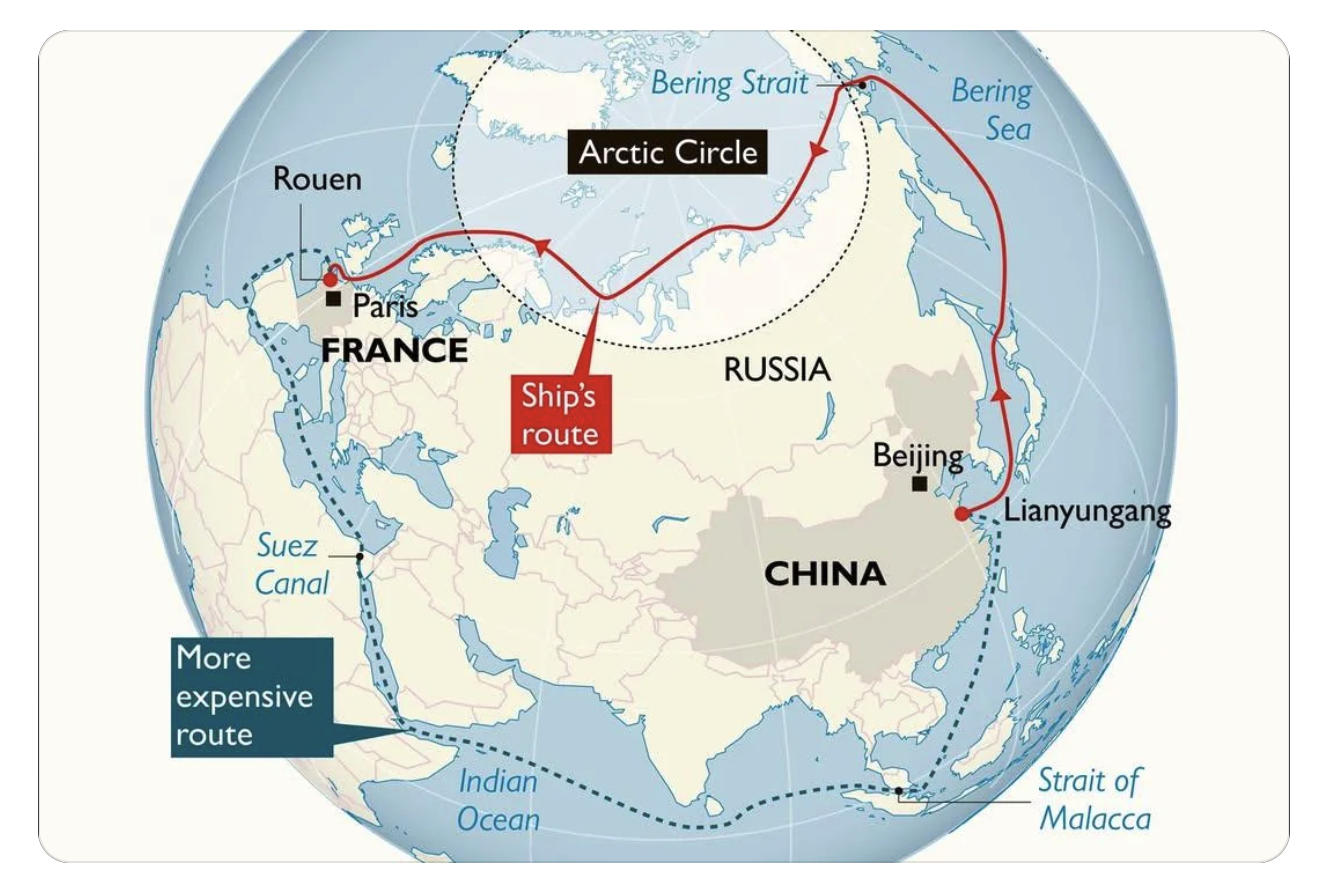
Passage through the waters could reduce transit times to Europe, offering an alternative to traditional routes amid rising geopolitical risks
Months of disruption through the Strait of Hormuz have prompted a rethink of global supply chains, with South Korea now following China in pushing to commercialise the Arctic shipping route to Europe.
South Korea aimed to open a regular route through the waters by 2030, following a trial voyage set to debut later this year, according to a broader maritime development plan released on Tuesday by Seoul’s Ministry of Oceans and Fisheries. “To prepare for the Arctic shipping era approaching after 2030, we will phase in the opening of the route according to long-term national strategies,” the ministry said, adding that a trial service between Busan and Rotterdam would launch in the second half of this year.
Seoul would also expand its national icebreaker fleet, train polar experts and strengthen international cooperation, it said.
The move would make South Korea only the second major Asian nation after China to explicitly develop the Arctic route as a commercial link to Europe.
Chinese carrier Sea Legend Line launched its China-Europe Arctic container express route last October, sending a vessel from Ningbo to the UK’s Port of Felixstowe. The planned 18-day journey stretched to 20 days after a storm in the Norwegian Sea, yet it still held a significant advantage over the roughly 25 days required by the China-Europe Railway Express, the 40-day journey through the Suez Canal and the 50-day route around the Cape of Good Hope.
The Arctic shipping lane has also become a focal point in Sino-Russian ties. Following Russian President Vladimir Putin’s state visit to Beijing last week, both countries pledged to deepen cooperation on developing the Northern Sea Route and boosting cargo volumes.
The Arctic shipping lane could become a crucial alternative as South Korea seeks new trade routes, South Korean Oceans Minister Hwang Jong-woo said at a press conference on May 14. He also voiced Seoul’s opposition to Iran’s push to impose a transit toll through the Strait of Hormuz, calling the move a “violation of international law”, Korean news agency Yonhap reported.
Transits through the strategic waterway – which in peacetime handled about a fifth of the world’s oil and liquefied natural gas flows – have fallen to a fraction of pre-war levels since the US-Israeli war on Iran began.
Even so, the Arctic route is currently navigable for only three to four months a year – though Hwang said icebreakers could extend that window to as much as nine months by 2040. Preparations must begin now, he stressed.
Following the announcement, state-backed maritime finance agency Korea Ocean Business Corporation and the Korea Shipowners’ Association selected Busan-based Panstar Line as the winning bidder for the trial voyage.
A 3,000 20-foot equivalent unit container ship would depart Busan, transit the Arctic and arrive in Rotterdam between August and September, depending on ice melt and weather conditions, according to late-April bidding documents.
The government said it would provide financial subsidies and port fee discounts to the operator.
Source : South China Morning post