
End of hostilities may not end crewing crisis
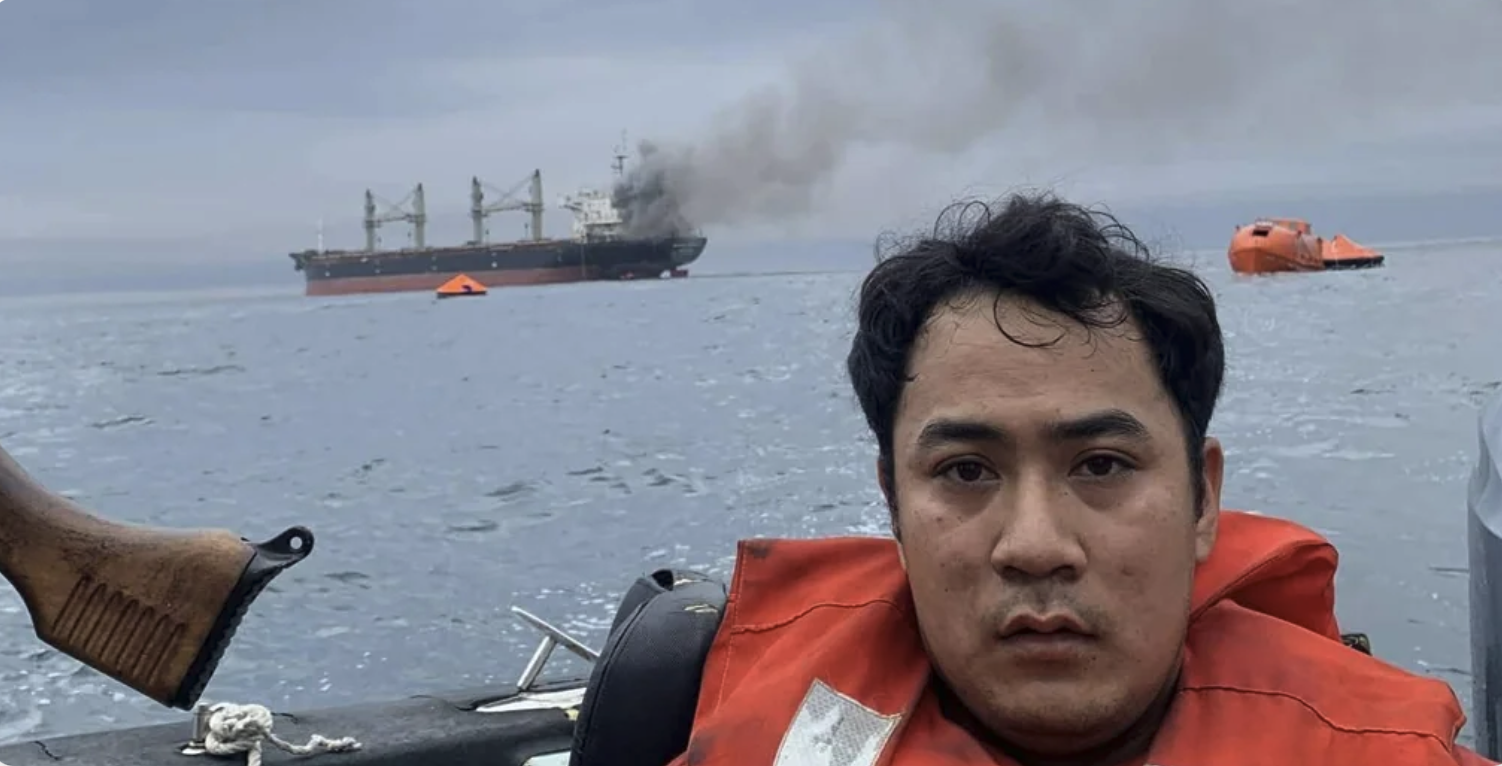
Crew have been trapped in the Persian Gulf for six weeks, replacement crew are reluctant to head to the region, leading to what Columbia Shipmanagement says is a developing crisis in terms of seafarers operating ships. Vessel operators have been concerned with the conflict, freight and rising insurance premiums, but must not ignore the challenges they are facing in seafarers.
Replacement crew are reluctant to board ships heading for the Middle East region conflict to one senior industry figure, and the looming crewing crisis may not end with the war.
Major crewing agent Columbia Group has said that the maritime sector is focusing on freight, routing and insurance, but it is ignoring the growing crewing crisis caused by the Arabian Gulf conflict.
Columbia CEO Mark O’Neil has questioned whether the rising repatriation costs and the challenges around replacing crew is disrupting the normal pattern of shipping and crewing changes, leaving some seafarers stranded and others refusing to join ships in and around the conflict zone.
It is a discussion that the secretary-general of the IMO, Arsenio Dominguez, entered 2 April when he urged foreign ministers, from 40 countries, engaged in a virtual meeting discussing the Strait of Hormuz crisis to support diplomatic efforts to free some 20,000 trapped seafarers in the region. A “fragmented response” is not sufficient to ease this crisis, said Dominguez, who said he is engaged in discussions with all relevant states, including Iran, to find a solution. “IMO is advancing a maritime evacuation framework built on coastal State cooperation, security guarantees and operational coordination, with the clear objective of releasing stranded vessels, enabling safe crew rotations and preventing an environmental disaster,” said Dominguez.
Meanwhile, O’Neil believes the industry must ask itself whether it is creating the conditions for a wider crewing shortage? “If seafarers are being asked to accept greater personal risk, while at the same time it becomes harder and more expensive to move them to and from vessels, then this stops being only a security issue. It becomes a workforce issue for the industry,” said O’Neil.
Vessel owners and operators cannot think of the Gulf war crisis as simply a transit and insurance challenge, they must also consider what is happening “behind the scenes”. That includes, “The pressure on crew changes, the uncertainty around repatriation, the rising cost of flights, and the effect of fuel disruption in countries like the Philippines, which remain critical to global crewing,” explained O’Neil. There is a real danger that the industry fails to recognise that family anxiety, fatigue and logistical barriers are all intensifying, added O’Neil, while employers assume that seafarers “will continue to absorb the risk”, and that the industry could underestimate “how quickly confidence in the crewing pipeline could begin to weaken if that burden continues to grow.”
Fabrizio Barcellona, International Transport workers Federation (ITF) coordinator seafarers and Inland Navigation, told Seatrade Maritime News, that the union is “deeply concerned” about the impact of the conflict on seafarers, in particular the increased mental health pressure caused by being trapped onboard vessels in a warzone. “The IBF [International Bargaining Forum] agreement gives crews with [these] agreements the right to refuse to sail into the designated areas, the current situation goes beyond that. No seafarer should be expected to transit the Strait of Hormuz unless their safety can be fully guaranteed, and right now that guarantee doesn't exist,” added Barcellona.
Shipping should not “mistake professionalism for unlimited tolerance of danger,” added O’Neil, who says that fear, fatigue and family pressure along with logistics all start to push in the same direction, and if that happens there will be a crewing crisis. “Shipping depends on seafarers. If the industry does not take seriously what this environment is doing to crew confidence, crew mobility and crew welfare, it will be facing more than temporary disruption. It will be facing a serious crewing problem,” concluded O’Neil.
Source: seanews.co.uk. Nick Savvides