
Prepared for the worst: 8 tips for ensuring safe lifeboat drills
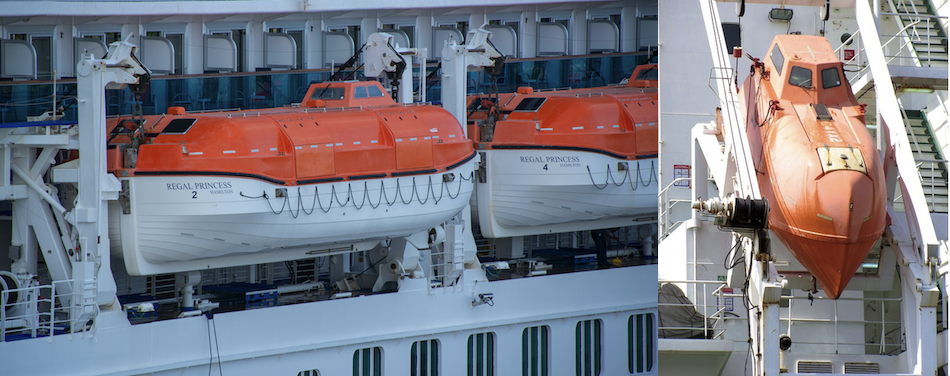
Incidents involving lifeboats and their launching systems remain a significant safety concern in the maritime industry. A 2014 UK study found that such accidents accounted for nearly 16% of merchant mariner fatalities over ten years, with many survivors suffering serious injuries.
In 2017, the UK Chamber of Shipping reported 60 deaths during lifeboat testing and encouraged greater use of simulation training. InterManager continued to raise concerns in 2022, noting 419 fatalities and hundreds of injuries since 1981. In 2023, the Container Ship Safety Forum stressed the need to redesign lifeboats and launching equipment, highlighting that industry efforts have focused too much on compliance rather than improving safety.
Reducing these risks requires all crew members to understand lifeboat systems and communicate clearly during drills. Complex systems demand consistent training in operation, maintenance and repair. Ongoing training and solid risk assessments help crews understand the purpose behind procedures, not just memorize them. Drills must prioritize safe launching, proper handling and minimal risk for participants.
Recent SOLAS amendments support safer practices by improving drill conditions and allowing exercises without crew inside the lifeboat.
8 practical tips for safe lifeboat drills
Ø Plan the drill – Define objectives and procedures
Ø Sound the alarm & brief crew – Ensure PPE is worn, and everyone knows their role
Ø Assess risks – Identify hazards and implement control measures
Ø Embark crew – Safely board all personnel
Ø Lower lifeboat – Follow launch procedures carefully
Ø Maneuver near ship – Maintain safe operations and continuous communication
Ø Recover lifeboat – Bring the boat safely back on board
Ø Restore & debrief – Secure equipment and review lessons learned
Source : safety4sea Photos: Nautilus Shipping