
Fatigue and safety failures contributed to Bluff ship boiler explosion that injured three
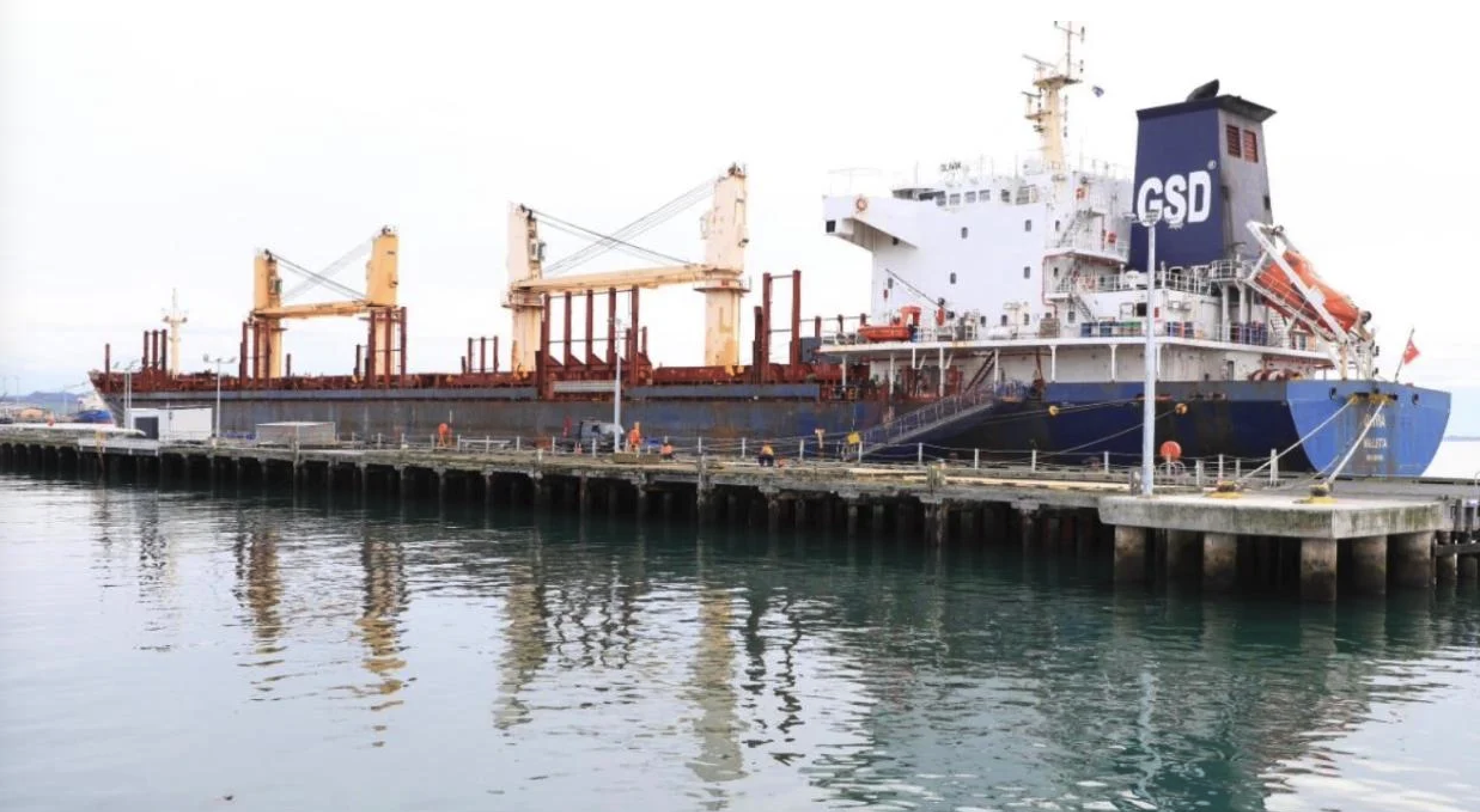
Fatigue, poor communication and a failure to follow safety procedures contributed to a boiler explosion aboard a bulk carrier in Bluff that seriously injured two crew members and hurt a third, investigators have found.
The Transport Accident Investigation Commission’s final report into the May 24, 2025 accident aboard the Olivia found the crew cleaned the boiler while it was still hot and after repeated failed attempts to restart it.
The blast threw all three members of the night shift backwards. A third engineer and motorman suffered serious burns to their faces and arms, while a fitter suffered bruising to a shoulder.
The Olivia had been berthed at South Port in Bluff for 32 days while undergoing extensive repairs to its main engine and generators. Maritime New Zealand had prevented the vessel leaving port until repairs were completed and the cause of the machinery damage identified.
TAIC found the ship’s boiler flamed out late on May 23 and engineers made several unsuccessful attempts to restart it. One restart attempt caused an earlier blowback, sending soot and hot air through the burner intake and triggering a fire alarm. Nobody was injured.
Hours later, the night shift began cleaning soot from inside the boiler. Investigators found the crew proceeded without a documented assessment of the risks posed by residual fuel, heat and the introduction of compressed air.
The motorman used an air lance to blast soot from the boiler tubes before directing compressed air into the furnace, where white smoke and glowing material had been visible. As the lance was withdrawn, an explosion occurred about 2.55am.
TAIC found it was likely the motorman disturbed heated soot, igniting residual fuel in the boiler and causing the blowback It said the boiler had not been allowed to cool to an objectively verified safe temperature before compressed air was introduced.
Investigators also found senior engineers were very likely fatigued after sustained work on the vessel’s generator repairs. The engineering team had been operating 12-hour shifts, but some senior crew were also working outside those hours. The second engineer, for example, was still helping troubleshoot the boiler about five hours after his day shift had ended.
The vessel’s superintendent had also worked 21 hours during one period before resting for four hours and returning to work. “The timing and circumstances of the call between the night shift 3rd engineer and the chief engineer very likely hindered clear communication and shared understanding of the proposed work and required controls,” the report said.
The chief engineer, who had been asleep when called, believed they had approved cleaning of the burner nozzle, while the night shift engineer understood permission had been given to clean soot from inside the boiler.
TAIC found the operator’s safety management system contained controls for unplanned work and boiler maintenance, but they were not consistently followed.
The crew treated boiler cleaning as a familiar task, despite the conditions being significantly different from normal cleaning carried out after a boiler had cooled for several days at sea. No formal toolbox meeting, task-specific risk assessment or job hazard analysis was carried out before the work. The three crew members were wearing coveralls, safety shoes and gloves, but no face or eye protection.
TAIC said it was very likely the severity of the injuries would have been reduced if appropriate face protection had been worn.
The commission also found the operator’s safety management system did not provide sufficient guidance for managing crews during sustained periods of intensive work, leaving the night shift without a senior engineer able to supervise higher-risk tasks.
Fleet Management Limited has since reviewed its safety system, fatigue and risk assessment procedures, PPE requirements and management of prolonged maintenance periods. It has also issued a fleet-wide safety memorandum and developed a boiler safety warning for display aboard its vessels.
TAIC made no new recommendations, saying the action already taken by the operator had addressed the safety issues identified
Source: stuff.co.nz