
Ocean-going tug for Cook Strait might not be needed with new ferries
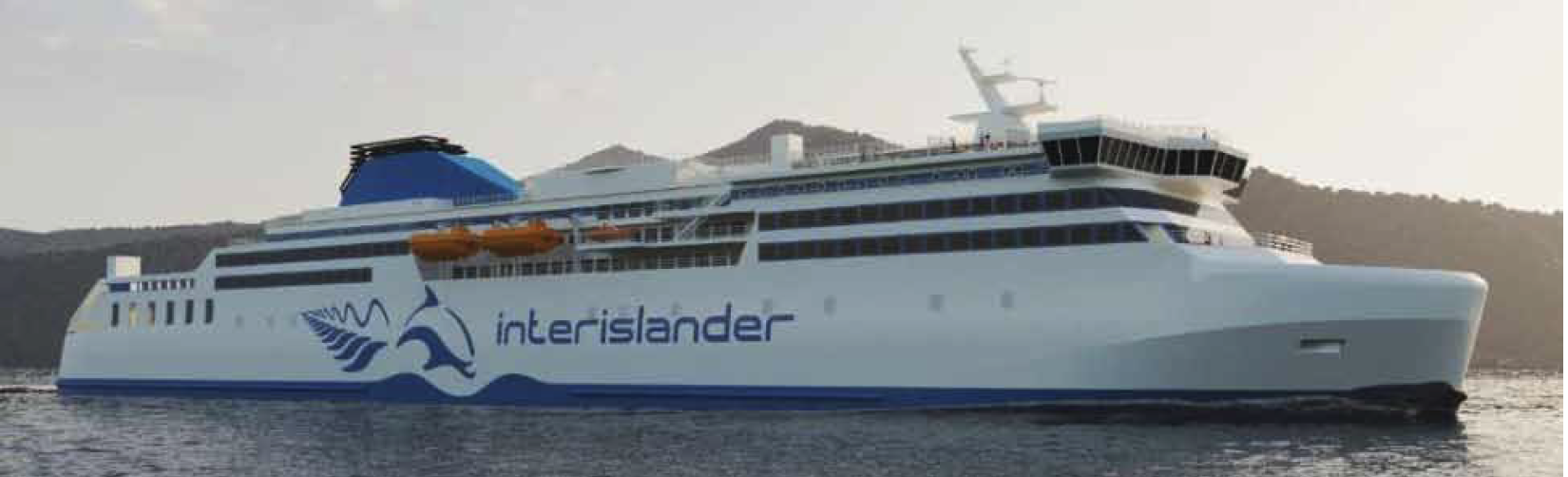
New Cook Strait ferries with “return to port” capability may remove the need for an ocean-going tug boat for emergencies, Transport Minister Chris Bishop says.
Rail Minister Winston Peters confirmed on Wednesday the Government would spend $596 million on two new Interislander ferries as part of a broader $1.86 billion ferry replacement project, due to be finished in 2029.
The new ferries will have greater safety mechanisms, including sufficient redundancy to “return to port” during instances of engine failure, according to Ferry Holdings Limited, the Crown-company tasked with acquiring the ferries from Guangzhou Shipyard International.
Bishop on Thursday said this capability, “in a general sense”, meant the Government may not need a permanent emergency towing capability for the Cook Strait. “I wouldn't say I'm an expert on the ferry specifications, but I am advised that they are safer in that sense,” he said. “We'll have more to say about the emergency ocean response capability in due course. “Clearly, we've been working through a process around that, and the ferry decision will factor into that.”
Such an emergency capability has been under consideration since 2024, after a spate of incidents on the Cook Strait -- including Interislander’s Kaitaki losing all power and nearly grounding with about 880 people on board -- reinforced concerns about a lack of capability to rescue large vessels.While a permanent, possibly user-pays emergency capability is being explored, the Government in April contracted the tugboat MMA Vision to be based between Wellington Harbour and Taranaki to provide this assurance until June 2026.Ferry Holdings chairperson Chris Mackenzie earlier said the two diesel-electric ferries, with capacity to carry 1600 people, would have a number of redundancy features.
“We're now required, with new vessels, to have a return to port capability, which none of the current ferries have, and of course that was sort of evident when the Kaitaki broke down.”He said the ferries would be driven by “azipods”, or rotating thrusters, which could be powered by the diesel engines or the electric batteries that would also help power the vessels.“You have the ability to connect to the electric motors from another generator, or you can use batteries.”The electric batteries, which would be charged as the ferries travel across the strait, could also be used to manoeuvre the ferries into port once they arrived at Picton Harbour, he said.The ships had also been designed so that unused sections could be closed off during non-peak periods, saving the need for air-conditioning and lighting, and therefore cost, he said.
Source : The Post - Thomas Manch